
E-cigarettes are becoming increasingly popular, raising the question: Can you carry on e-cigarettes when traveling? Whether you’re a seasoned vapour or a beginner exploring this smoking alternative, it’s crucial to understand the rules and regulations surrounding the transportation of e-cigarettes, especially when traveling by air. E-cigarettes are electronic devices that deliver nicotine through vapor rather than smoke, making them a comparatively healthier alternative to traditional cigarettes. As their popularity rises, travelers are frequently asking how to legally transport these devices through airport security and onto planes.
Understanding Airline Regulations
When you plan to carry e-cigarettes while flying, familiarizing yourself with airline regulations regarding electronic devices is essential. Generally, airlines allow passengers to bring e-cigarettes onboard, but there are specific guidelines you must follow. Most airlines require you to have e-cigarettes in your carry-on luggage rather than in checked baggage. This requirement stems from safety concerns, as the lithium-ion batteries within e-cigarettes pose a risk of fires if damaged or improperly handled. By storing them in your carry-on, cabin crew can swiftly address potential issues.
Security Check Considerations
At security checkpoints, the rules for carrying e-cigarettes are similar to those for other electronic devices. You may need to separately present your e-cigarettes during security screening. Larger airports with more stringent security protocols might ask you to remove e-cigarettes from your bag for individual screening. Remember, while the device itself is permissible, there are restrictions on the liquid refills or e-juice. These are subject to the same liquid restrictions applied to toiletries and other liquid items, so ensure each refill bottle contains no more than 100ml and is stored in a clear, resealable plastic bag.
Can You Use E-cigarettes on The Plane?
Once onboard, the rules about using e-cigarettes change. Unlike smoking, vaping doesn’t emit harmful tobacco smoke, but airlines prohibit the use of e-cigarettes during flights. Vaping is treated like smoking due to the vapor that can disturb other passengers and the potential security concerns. As such, it’s advisable to refrain from using e-cigarettes on the plane to comply with airline policies and maintain a pleasant atmosphere for all passengers.
International Travel Considerations
When traveling abroad with e-cigarettes, it’s crucial to research the destination country’s regulations on vaping. Many countries have specific laws on e-cigarette use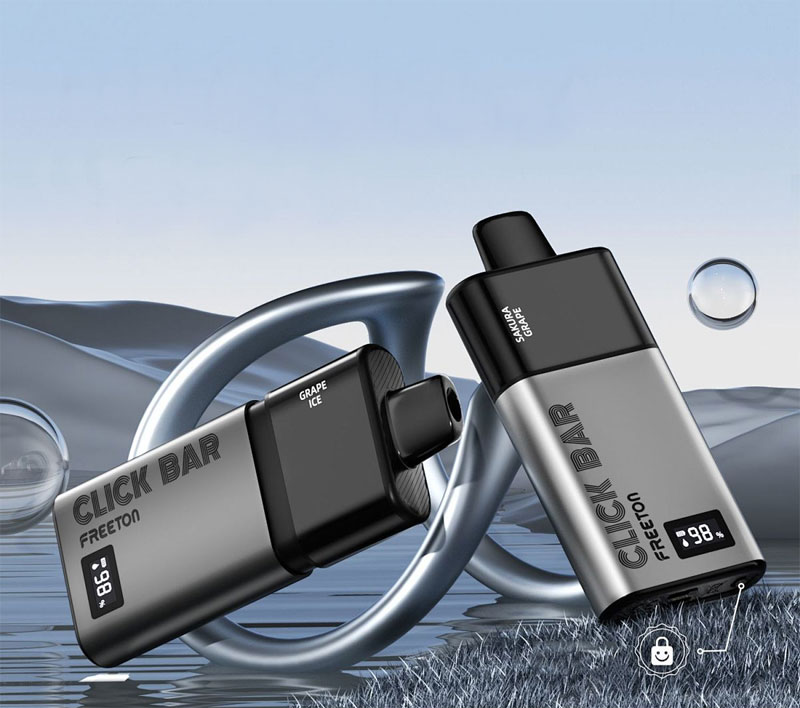
 and importation. For example, some nations completely ban e-cigarettes, while others have significant restrictions. Understanding these rules ahead of time will prevent potential confiscation or fines upon arrival.
TSA and E-cigarettes
The Transportation Security Administration (TSA) provides guidelines on carrying e-cigarettes when flying from or within the United States. According to TSA policy, passengers can travel with e-cigarettes in their carry-on bags. The agency also advises travelers to properly protect batteries and follow the liquid restrictions regarding e-juice. It’s advisable to check the TSA official website or contact airlines for the latest information, as policies regularly change.
FAQs
- Can I charge my e-cigarette on the plane?
- Typically, charging e-cigarettes is discouraged during flights. The risk posed by lithium-ion batteries makes airline policies cautious. It’s best to charge them fully prior to travel.
- Can e-cigarettes be packed in checked luggage?
- No, e-cigarettes should be packed in carry-on luggage. This is due to potential fire risks associated with overheating lithium batteries in the hold.
- What happens if I’m caught vaping on a flight?
- Passengers caught vaping may face penalties, including fines or being added to the airline’s no-fly list. Always respect airline policies.