
The recent decision by the FDA to ban certain e-cigarettes marks a significant turning point for both the tobacco industry and consumers. This regulatory action has sparked widespread discourse, as the implications are set to reverberate throughout the market and influence user behaviors. Understanding the underlying reasons for this prohibition and how it may shift the landscape is crucial for stakeholders on all fronts.
Understanding the FDA Ban on E-Cigarettes
In recent years, the rising popularity of e-cigarettes has been accompanied by increasing scrutiny from health officials. Concerns about their impact on public health, especially among youth, have propelled the FDA to take decisive action. The FDA ban on e-cigarettes targets products deemed to appeal to minors or those that fail to meet premarket authorization requirements.
Primarily, this ban affects flavored e-cigarettes which have been particularly attractive to younger audiences. The flavors such as fruit, candy, and mint have been perceived as key factors in luring a younger demographic into vaping.
The Impact on the E-Cigarette Market
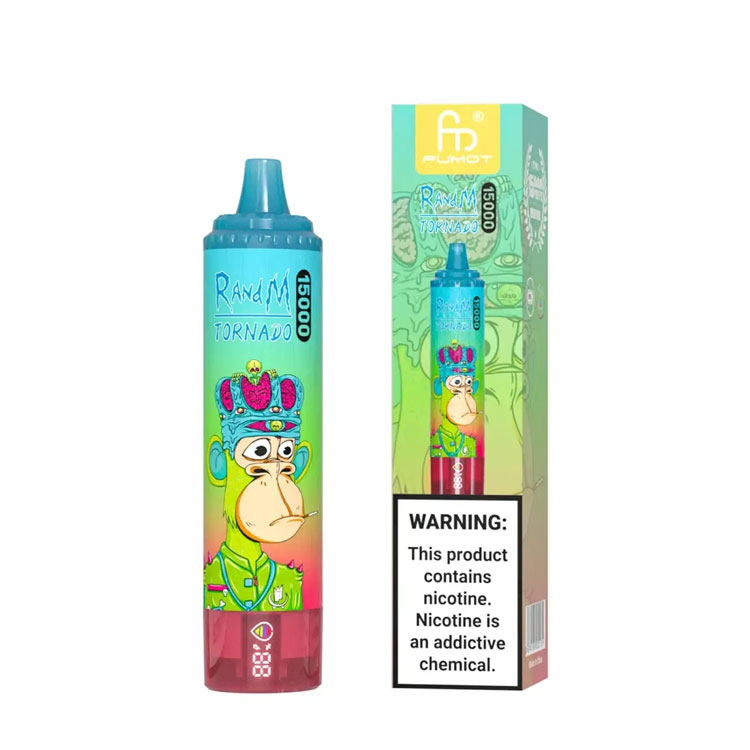

The FDA’s ruling has far-reaching effects on the e-cigarette industry. Companies now face significant hurdles in marketing and selling their products. Many have to re-strategize, focusing on creating products that comply with FDA regulations. For major tobacco companies, this could mean reducing reliance on flavored e-cigarettes and enhancing investment in alternative products like smokeless tobacco or nicotine gum.
The ban also levels the playing field, potentially increasing market share for companies that have successfully navigated the cumbersome authorization process. However, smaller players in the industry may struggle to adapt, leading to market consolidation.
Consumers Caught in the Crossfire
For consumers, particularly those who have shifted from traditional smoking to e-cigarettes, these changes can be both disruptive and daunting. The removal of favored products may drive some users back to traditional cigarettes, counteracting efforts to minimize smoking. Others may turn to the black market to source banned products, creating challenges for law enforcement and increasing health risks due to potentially unsafe products.
The restriction leaves a void for consumers who prefer flavors other than tobacco or menthol, and finding acceptable alternatives might be difficult. The growing popularity of tobacco alternatives suggests that while some will adapt, there will be opposition and dissatisfaction.
Long-term Health Implications
While the FDA e-cigarette ban aims to curb the rise in youth vaping, it also prompts questions about the long-term impact on public health. By restricting access to flavored e-cigarettes, the regulatory body hopes to discourage the initiation of vaping among teenagers. If successful, this could reduce health issues associated with early nicotine addiction.
However, experts emphasize the need for continued public education on the risks of vaping, as misconceptions about the safety of e-cigarettes compared to traditional smoking persist. Striking the right balance in regulation and education is imperative in ensuring public health safety.
Some analysts argue that the ban may inadvertently hinder adult smokers seeking less harmful alternatives to traditional tobacco products, thus having mixed impacts on public health.
- Will adult vapers find acceptable alternatives?
- How will the black market affect the industry’s landscape?
- Are there longer-term solutions beyond the current ban?
Looking Ahead: Future of E-Cigarettes and Regulation
The future of the e-cigarette industry hinges not only on regulatory frameworks but also on innovative breakthroughs that align with public health goals. As the industry evolves in response to government actions like the FDA’s ban, stakeholders must anticipate further changes in consumer preferences and technological advancements.
Moving forward, collaboration between regulators, healthcare providers, and the e-cigarette industry is essential. Together, they must strive to create a balanced approach that ensures safety without stifling innovation and consumer choice.
For those truly invested in reducing smoking rates, the FDA’s actions serve as both a challenge and an opportunity to explore new frontiers in tobacco harm reduction.
Frequently Asked Questions
What prompted the FDA to ban certain e-cigarettes?
The FDA’s decision was largely driven by concerns over youth vaping and the appeal of flavored e-cigarettes, which were believed to attract minors.
Are all e-cigarettes banned under the FDA’s ruling?
No, the ban specifically targets flavored e-cigarettes and those that do not meet premarket approval requirements. Tobacco and menthol flavors are generally not affected by this ban.
What alternatives do consumers have post-ban?
Consumers may explore nicotine replacement products like patches or gum, or switch to traditional tobacco flavors that comply with FDA regulations.