
When it comes to quitting smoking, individuals often find themselves weighing the effectiveness of nicotine patches against e-cigarettes. Both tools have garnered popularity, but they cater to different preferences and work in distinct ways. In this article, we will explore the pros and cons of each option, their effectiveness, and which might be better suited to your specific needs. Let’s dive into this comparative analysis.
What Are Nicotine Patches and How Do They Work?
Nicotine patches are a form of Nicotine Replacement Therapy (NRT) designed to help people gradually reduce their dependence on nicotine. They are thin, adhesive patches worn on the skin that slowly release a controlled amount of nicotine into the bloodstream over the course of the day. The idea is to manage withdrawal symptoms and cravings without exposing the user to the harmful chemicals found in traditional cigarettes.
The simplicity of nicotine patches is appealing to many; they require no extra effort beyond being applied to clean, dry skin. They come in varying strengths, allowing users to step down their nicotine intake over time. Unlike e-cigarettes, nicotine patches are odorless and discreet, making them suitable for use in social and professional settings.
Advantages of Nicotine Patches
- Ease of use without requiring any physical action like inhalation.
- Regulated dosage reduces the risk of nicotine overdose.
- Widely recognized and recommended by healthcare professionals as a legitimate quit-smoking aid.
- No risk of secondary behaviors (e.g., hand-to-mouth activity) that may imitate smoking.
Disadvantages of Nicotine Patches
- May not address the behavioral aspect of smoking addiction.
- Skin irritation can occur for some users.
- The delayed release of nicotine might not provide immediate relief for acute cravings.
How Do E-Cigarettes Work?
E-cigarettes are electronic devices that heat a liquid (often containing nicotine, flavorings, and other chemicals) to create vapor. Users inhale this vapor, simulating the experience of smoking without the combustion process and associated harmful toxins. Over the years, e-cigarettes have evolved significantly, offering various devices, flavors, and nicotine strengths to cater to individual preferences.
E-cigarettes are often marketed as being less harmful than traditional cigarettes, though their long-term health effects are not yet fully understood. They have been both hailed for helping smokers cut back and criticized for potentially encouraging new generations to start vaping.
Advantages of E-Cigarettes
- They mimic the smoking experience, which can help alleviate both physical and behavioral cravings.
- Wide variety of flavors and devices appeal to a larger demographic.
- Ability to control nicotine levels, allowing for a gradual reduction over time.
- Presents an immediate nicotine hit, satisfying cravings quicker than patches.
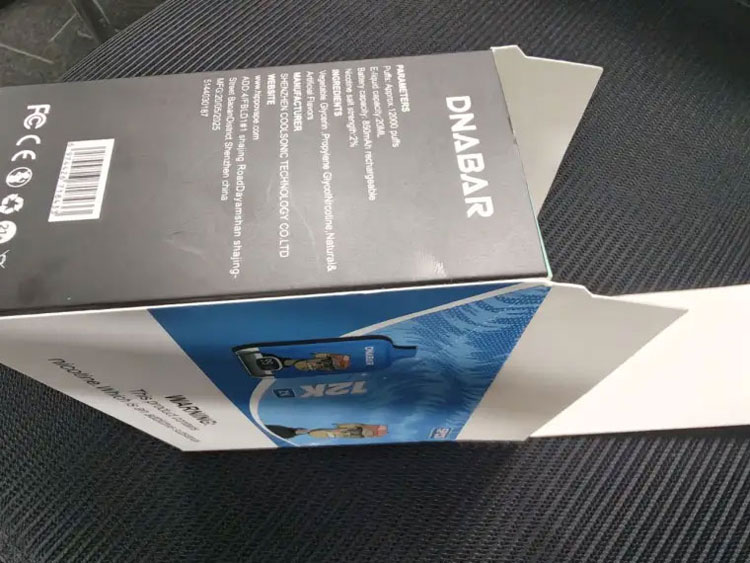


Disadvantages of E-Cigarettes
- Still exposes users to certain chemicals, though less harmful than cigarette smoke.
- Can be expensive to maintain, especially with high-end devices.
- May inadvertently form a new habit or dependency on vaping.
- Not widely regulated, with quality varying significantly across different brands.
Nicotine Patches vs. E-Cigarettes: Key Considerations
Choosing between nicotine patches and e-cigarettes boils down to personal preference, how your cravings manifest, and what you aim to achieve with a cessation tool. If you’re looking for something that’s discreet, low-maintenance, and recommended by medical professionals, nicotine patches might be the better solution. They focus on reducing nicotine dependency without reinforcing smoking-related habits.
On the other hand, if you find comfort in mimicking the act of smoking and want immediate relief from cravings, e-cigarettes might suit your needs. They provide flexibility in terms of nicotine strength and a variety of flavors, though they may not be as discreet or universally accepted as a quit-smoking aid.
If your goal is to quit smoking entirely rather than switch to a less harmful alternative, combining tools such as patches with behavioral therapies might be the most effective route.
Studies Comparing Effectiveness
Various studies have been conducted to compare the success rates of nicotine patches and e-cigarettes as smoking cessation aids. A 2019 clinical trial in the New England Journal of Medicine found that e-cigarettes were more effective than patches in helping smokers quit at a one-year follow-up. However, it also noted that e-cigarette users were more likely to continue using them, whereas patch users were more likely to discontinue nicotine usage entirely.
It’s essential to consult healthcare professionals when choosing between these methods, as they can provide tailored advice based on your specific needs and medical history.
Frequently Asked Questions
1. Are nicotine patches safer than e-cigarettes?
Generally, nicotine patches are considered safer because they do not involve inhalation of any chemicals. They are medically regulated and designed to reduce dependency progressively.
2. Can e-cigarettes make quitting smoking harder?
While e-cigarettes can simulate smoking effectively, they might also replace one addiction with another if not used with a clear plan to quit both smoking and vaping.
3. Which is more affordable: nicotine patches or e-cigarettes?
The cost varies depending on usage patterns. Nicotine patches are often less expensive in the long term, while e-cigarettes can involve ongoing costs for replacement fluids and devices.
Ultimately, the choice between nicotine patches and e-cigarettes should align with your lifestyle, goals, and health considerations. Both have their unique advantages and challenges, but with the right support, either can serve as a stepping stone toward a smoke-free life.