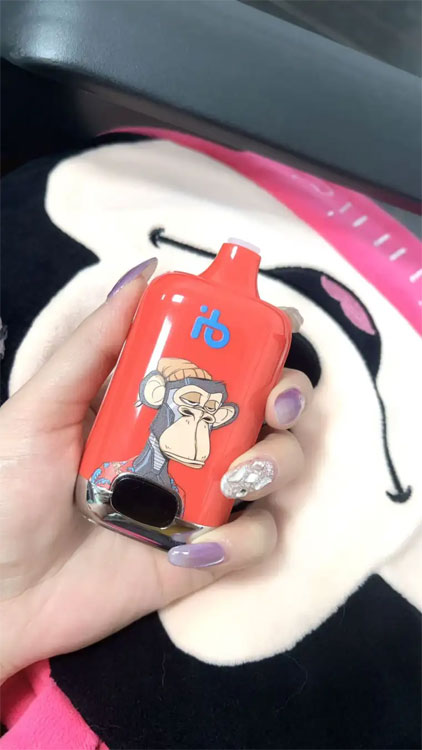
The first step in quitting is to establish a firm resolve. You need to be determined and clear about why you want to quit. Is it for health, or to save money? Whatever your reason, keep that motivation at the forefront. Write it down and revisit your motivation often to reinforce your commitment.
Create a Tailored Quit Plan
Crafting a quit plan is essential. Set a quit date that gives you ample time to prepare mentally and physically. Use a calendar to track your progress and mark milestones—this will help you stay motivated. In your plan, outline how you intend to deal with cravings and temptations.
Use nicotine replacement therapy (NRT) or medication as instructed by healthcare professionals. These aids can help reduce withdrawal symptoms and make the quitting process easier.
Building a Support Network
Getting support from friends, family, or support groups can drastically improve your chances of quitting successfully. Share your goals with them and ask for their encouragement and understanding. Online forums and local groups offer additional support and can connect you with individuals facing similar challenges.
Embrace healthy habits to replace vaping. Start an exercise routine, meditate, or engage in hobbies you’ve always wanted to try. These activities can serve as distractions and fill the void that smoking once occupied.
Dealing with Relapse
Relapse may happen; it’s part of the process for many who quit smoking. If you find yourself vaping again, don’t be discouraged. Analyze what led to the relapse and adjust your strategies accordingly. Remember, quitting is a journey and every attempt gets you closer to becoming vape-free.