
E-cigarettes, commonly referred to as vapes, have become a popular alternative to traditional cigarettes in recent years. However, there is growing concern over the potential health risks associated with their use, particularly in relation to a condition known as popcorn lung. This article delves into the possible connection between e-cigarettes and popcorn lung, offering an in-depth analysis of the current understanding in the medical and scientific communities.
What is Popcorn Lung?
Popcorn lung, medically termed bronchiolitis obliterans, is a respiratory condition that damages the smallest airways of the lungs, leading to coughing and shortness of breath. The name originated from an incident where workers in a microwave popcorn factory developed lung disease after inhaling diacetyl, a chemical used to create a buttery flavor in popcorn.

Diacetyl in E-Cigarettes
Diacetyl is sometimes present in e-cigarette liquids, especially those with buttery or creamy flavorings. Although many manufacturers claim to have removed diacetyl from their products, studies have found that some e-cigarette juices may still contain this harmful chemical. The presence of diacetyl links e-cigarettes to popcorn lung because of its known detrimental effects when inhaled.
Research on E-Cigarettes and Popcorn Lung
Research into the direct connection between e-cigarettes and popcorn lung is still ongoing. However, some studies have shown that inhaling harmful substances, like diacetyl, even in small amounts over time, can increase the risk of lung damage. Although the risk with e-cigarettes might be lower compared to factory exposure levels, it’s crucial for users to be aware of the potential dangers.

Moreover, regulatory bodies like the FDA are scrutinizing e-cigarette products more than ever before, pushing for greater transparency and consumer safety. As a result, understanding the ingredients in your e-cigarette liquid is vital for reducing potential health risks.
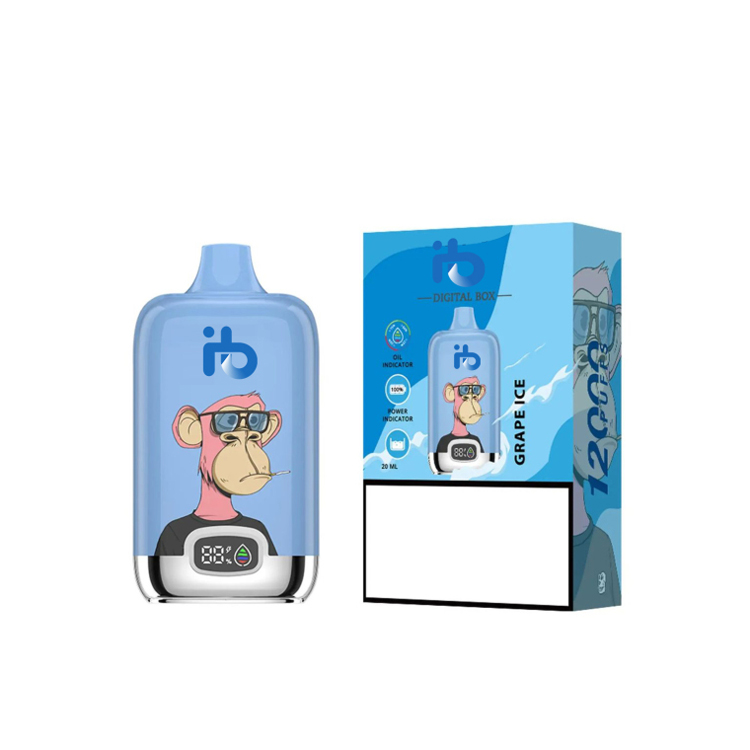
Other Ingredients of Concern
Aside from diacetyl, e-cigarette liquids often contain other chemicals that may pose health risks. Ingredients like acetoin and pentanedione, which are sometimes used as flavorings, have raised similar concerns due to their chemical similarity to diacetyl. Additionally, the process of heating the e-liquid to produce vapor can create new compounds, some of which are also harmful to the lungs.
Preventive Measures and Advice
To minimize the risks associated with e-cigarettes, users should consider selecting flavor-less options or those explicitly labeled as diacetyl-free. Staying informed about ongoing research and any FDA updates regarding e-cigarette safety can also help consumers make better decisions. Moreover, for those looking to quit smoking, exploring alternative methods such as nicotine replacement therapy or counseling might be more beneficial.
Potential Advantages and Risks
While e-cigarettes are marketed as a less harmful alternative to smoking, it’s essential to weigh the advantages against the potential health risks. They may help some users quit smoking, but the addictive nature of nicotine and the unknown long-term effects of vape use should be considered.
FAQs
Can e-cigarettes cause popcorn lung?
The likelihood is uncertain. While diacetyl is a known risk factor, its presence in e-cigarette liquids isn’t consistent across all brands and flavors. Nonetheless, caution is advised.
Are there e-cigarettes without harmful chemicals?
Some brands advertise as free of harmful substances like diacetyl, but it’s essential for consumers to verify these claims through independent research or regulatory approvals.
What should I do if I’m experiencing symptoms related to popcorn lung?
If you’re experiencing persistent cough or shortness of breath and suspect it might be related to e-cigarette use, it’s advisable to consult a healthcare professional for a proper assessment and guidance.