The Key Differences Between Heated Cigarettes and E-Liquids
In recent years, the market for alternative smoking products has expanded significantly, offering smokers new ways to enjoy nicotine away from traditional cigarettes. Among these alternatives, heated cigarettes and e-liquids have emerged as popular choices. But what’s the difference? Both cater to individuals looking to reduce the harmful effects associated with conventional smoking, yet their mechanisms, experience, and impact vary.
Heating Mechanisms
Heated cigarettes, also known as heat-not-burn products, operate by heating tobacco to a temperature that’s high enough to release nicotine without burning the tobacco itself. This contrasts sharply with e-liquids, which are vaporized using an electronic device that doesn’t involve actual tobacco. Instead, e-liquids typically consist of nicotine, flavorings, and a carrier like propylene glycol or vegetable glycerin.
Flavor and Experience
One key difference lies in the flavor and overall experience. Heated cigarettes tend to offer a taste closer to traditional smoking, as they use real tobacco that conveys its natural flavor through the heating process. E-liquids, on the other hand, provide a vast array of flavors ranging from fruits to desserts. This is partly why e-liquids have seen a surge in popularity, especially among younger audiences who may appreciate the customization that comes with choosing different flavors.
Health Implications
When it comes to health, both products have been marketed as potentially less harmful alternatives to traditional cigarettes. However, the extent of harm reduction remains controversial. Heated cigarettes aim to cut down on exposure to tar and other harmful compounds from combustion, but they still involve some level of toxicity inherent to tobacco use. E-liquids eliminate many of these harmful substances, yet concerns remain about the long-term effects of inhaling vaporized chemicals, especially those found in flavorings.
Regulations and Accessibility
The regulatory landscape around these alternatives is also a point of difference. Heated cigarettes are often subject to traditional tobacco regulations due to their use of actual tobacco. Conversely, e-liquids and vape devices sometimes fall under less stringent guidelines, albeit this varies by region and recent regulatory efforts may tighten these rules. Accessibility can also differ with availability often dependent on local laws and market demands.
Cost and Convenience
Cost is another factor to consider. Heated cigarettes usually require the purchase of specific devices compatible with the product, alongside the heat sticks themselves, which can become expensive over time. E-liquids are generally more cost-effective, with refillable devices that can be used with various liquid options, making them more appealing to budget-conscious consumers.
Environmental Impact
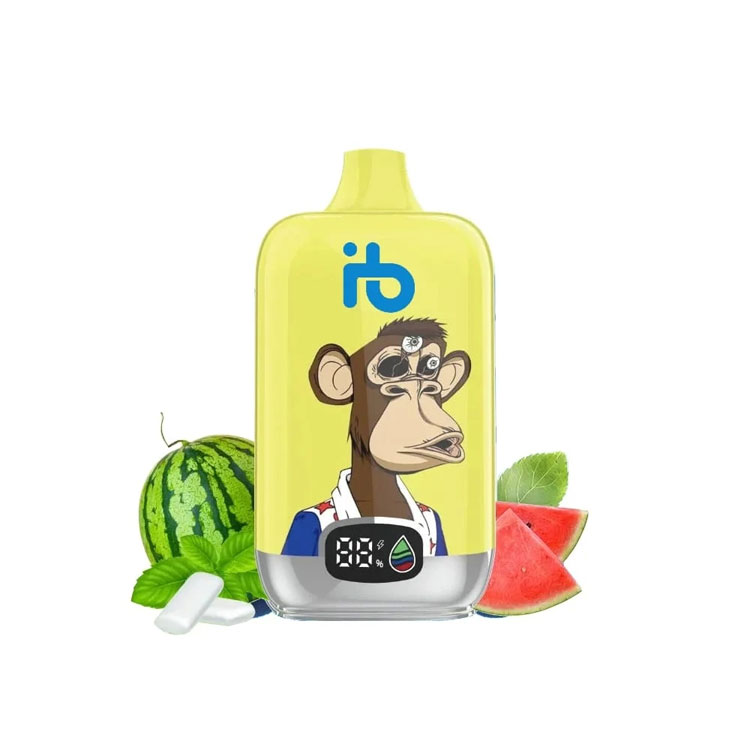
From an ecological standpoint, e-liquids are arguably more environmentally friendly, as they do not produce ash or cigarette butts. However, disposable vape products contribute to electronic waste. Heated cigarettes generate waste through used tobacco sticks, although they lack the hazardous components found in regular cigarettes.
Conclusion
While both heated cigarettes and e-liquids represent a shift away from traditional smoking, the choice between them hinges on personal preference. Factors such as flavor preference, health concerns, cost consideration, and environmental impact play a role in determining which product aligns best with a user’s lifestyle.
FAQ
Q: Are heated cigarettes safer than e-liquids?
A: Both offer risk reduction but have distinct health considerations. Heated cigarettes release fewer toxicants than regular cigarettes, whereas e-liquids avoid many harmful substances associated with burning tobacco.
Q: Which option is more cost-effective?
A: Generally, e-liquids are more cost-effective, especially with refillable devices, which can lower recurring expenses compared to buying heated cigarette refills.
Q: How do regulations affect accessibility?
A: Access varies depending on local regulations. Heated cigarettes often follow tobacco laws, while e-liquids may encounter variable regulations impacting availability.