The rise of e-cigarettes has instigated a whirlwind of debate, innovation, and speculation about their components. A prevalent belief is that most e-cigarettes primarily consist of water and flavoring. However, the reality is far more nuanced. Understanding the composition of these devices is essential for public awareness and informed usage.
The Ingredients of E-Cigarettes
E-cigarettes operate by heating a liquid, commonly known as e-liquid or vape juice, to produce vapor. While it’s true that e-liquid contains elements like water and flavoring, these are not the only components. Typically, an e-liquid consists of a mix of propylene glycol (PG), vegetable glycerin (VG), nicotine, and a variety of flavorings. The concentration of these components can vary significantly, tailoring the product to a wide range of preferences and uses.
Water and Its Role
Water is often included in small amounts to help maintain the consistency of the solution. However, it is not the predominant ingredient. Most of the vapor produced comes from the heating of PG and VG, which also act as carriers for the flavorings and nicotine.

Flavorings: More Than Just Taste
Flavorings are an essential part of the e-cigarette experience, providing the sensory appeal that many users seek. These flavorings can range from simple fruit flavors to complex dessert and beverage concoctions. Some are sourced from natural extracts, while others are synthetically created in laboratories. The safety of inhaling these flavorings is still a topic under scientific scrutiny, with ongoing research into their potential health effects.
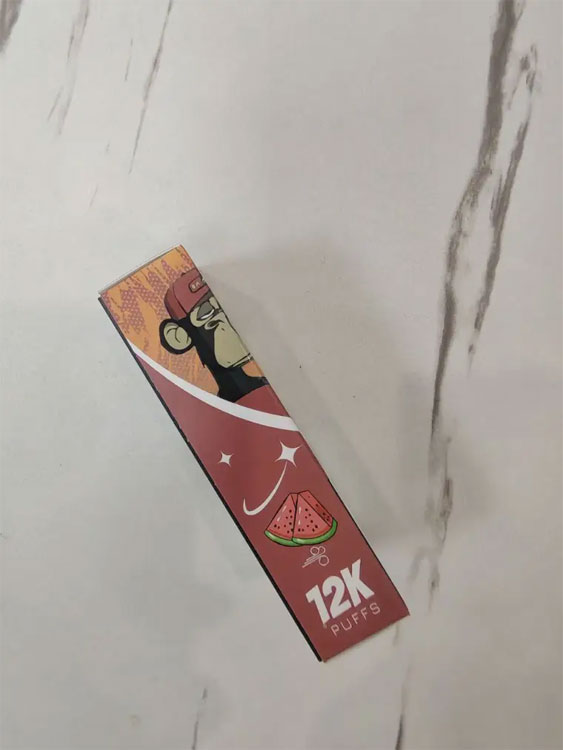
The Core Components: PG and VG
Propylene glycol and vegetable glycerin form the bulk of e-cigarette liquid. PG is known for its ability to create a throat hit similar to traditional smoking, appealing to ex-smokers. VG, on the other hand, is thicker and sweeter, producing more substantial vapor clouds. The balance between PG and VG is often adjusted to suit user preferences, with some preferring a higher VG content for denser vapor.
Nicotine: Optional but Common
While nicotine is an optional component of e-liquids, it remains a significant draw for those transitioning from conventional cigarettes to vaping. Available in various strengths, nicotine levels are tailored to individual preferences. Some users gradually reduce their nicotine intake to minimize dependence, eventually using zero-nicotine solutions.
Myths and Misconceptions
Despite what some believe, claims that e-cigarettes are primarily composed of water and flavoring often stem from marketing oversimplifications. Understanding the actual composition of these products is crucial for making informed decisions about their use.
Are E-Cigarettes Safer Than Traditional Cigarettes?
The debate about whether e-cigarettes are safer than traditional tobacco products is ongoing. While they eliminate the combustion aspect of smoking, which significantly reduces exposure to harmful tar and carcinogens, research into potential long-term effects is still developing. The presence of additional chemicals, even in reduced quantities, means they are not without risk.
Conclusion
In summary, while water and flavoring are indeed components of e-cigarette liquids, they are part of a more complex formulation that includes propylene glycol, vegetable glycerin, and often nicotine. Consumers should remain informed about these elements to assess their health implications properly.
Frequently Asked Questions
Do E-Cigarettes Contain Harmful Chemicals?
While e-cigarettes contain fewer toxic substances than conventional cigarettes, they are not entirely free of harmful chemicals. The potential risks depend on the specific constituents and the user’s habits.
Can You Vape Without Nicotine?
Yes, many e-liquids offer zero-nicotine options, allowing users to enjoy the flavor and sensation of vaping without consuming nicotine.
What Is the Safest E-Liquid Composition?
There is no universally “safe” e-liquid composition, but users can look for reputable brands that disclose their ingredients and choose lower nicotine levels to reduce potential risks.